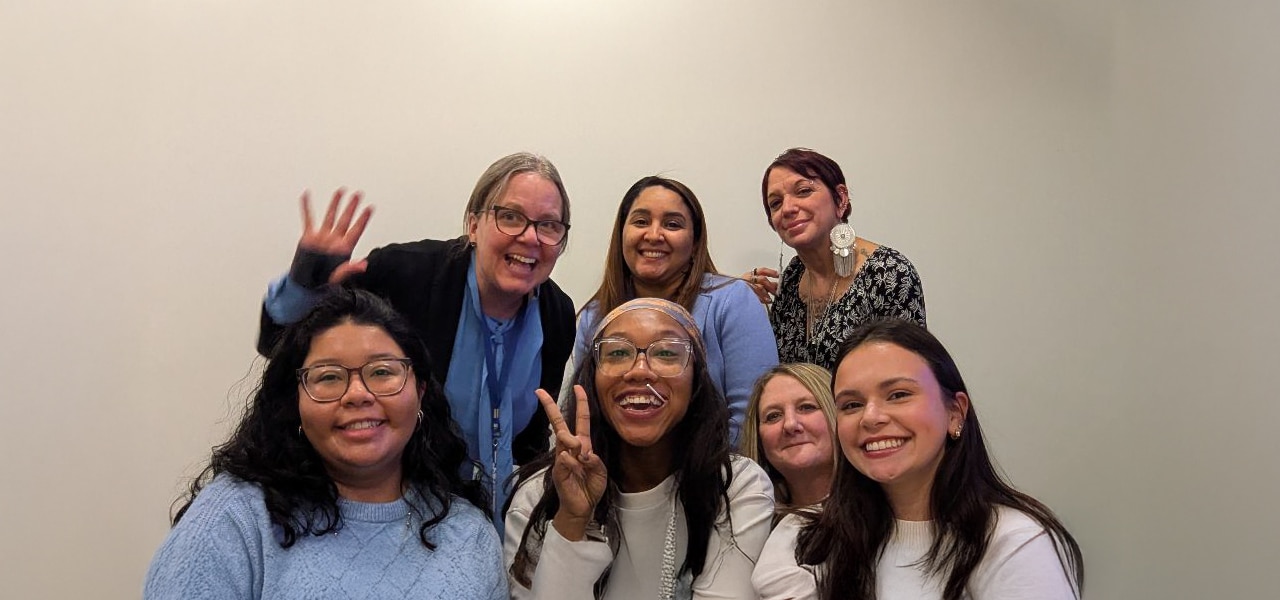
The CAH is a partnership between people with lived experience-based expertise of homelessness who are employed as Community Researchers; professional researchers with expertise in community based participatory research from the Institute for Community Health; and systems experts at United Way of Greater Boston who serve as liaisons with the networks of homelessness services throughout MA.
Homelessness is an acute and growing problem in Massachusetts. As of May 2024, there were 45,491 people experiencing homelessness in MA in 26,985 households. 11,482 are children – all exposed to long-term trauma and increasing risks of future homelessness and use of public systems. 45% of adults are Black, African American, or African and 25% are multi-racial compared to 7% and 8% of the overall population in MA – displaying glaring and harmful racial disparities.
Within the work to end homelessness in Massachusetts, there is an absence of engagement of adults with lived experience of homelessness as meaningful partners and leaders in state level policy, planning and advocacy structures and efforts. State planning on homelessness lacks a formal consumer advisory board, or any structures and processes that provide people with lived experience (PWLE) a means to share their stories and challenges with providers and decision makers to lead to more effective programs and system design. The lived experience of social issues provides valuable knowledge and power. It helps to drive and lead positive social change. In addition, it allows space for valuable conversations, raises awareness, and influences policies. We know that people experiencing homelessness are closest to the problem and are also closest to the solution, but they are often furthest from power and resources. Establishing leadership from and meaningful partnership with PWLE is essential to the success of the homeless system in MA.
PWLE of homelessness by definition have experienced trauma, and most have been repeatedly failed by systems including child welfare, housing authorities, medical systems, education, and employers. Most PWLE experience barriers to participating and partnering in impactful policy-related discussion and decision-making due a lack of opportunities that take into account their specific needs, including trauma-informed, low-barrier, income-generating employment. The CAH seeks to fill the existing gap in opportunities for systems to take advantage of the valuable lived experience of PWLE by providing these supported, low-barrier employment opportunities that meet people where they are and work in a trauma-informed way.
Danielle (Dani) Hazen (she/her) is a Community Researcher and Founding Member of the Community Action Hub at ICH. Danielle is passionate about educating others about homelessness, and about being a voice for others who may not be able to speak on their experiences. She has participated in many local meetings on the severity of homelessness and solutions, and has participated in many PITs and done public speaking on Homelessness and Affordable Housing. Danielle feels strongly about the ways in which homelessness can impact your life – including how it may empower you. Danielle’s passion around homelessness and affordable housing has stemmed from her several life experiences with homelessness and unstable housing. Danielle enjoys crafts and time with nature.
“You can overcome homelessness to become your true self. That’s the biggest part of my story, it didn’t hinder me; it helped me, and it allowed me to become the person I am today. Now, my purpose is expanding significantly”.
Vanessa Smith (she/her) is a Community Researcher and Founding Member of the Community Action Hub at ICH. Previously, her professional roles included experience in education, fashion and beauty. Her love for rabbits, horses and Polar seltzer water makes her shine brightly in any conversation! At the moment, she enjoys reading imperial Chinese romantic fiction literature. Two of her favorite Asian authors are Molly Chang and Sue Lynn Tan.
As a person with approximately fourteen years of lived experience of homelessness and housing instability, Vanessa stands by her quote:
“Homelessness looks like someone working an 8 to 5 and not being able to find somewhere to sleep. It looks like the student working to get their degree, striving to change generational patterns for their family’s future. Homelessness does look like choosing unfavorable options, sometimes it looks like the person standing next to you on the train, someone who doesn’t stink, someone well put together. Homelessness does not discriminate. It can happen to anyone.”
Suani Matos Méndez (she/her) is a Founder, Community Researcher, and active member of the Community Action Hub (CAH). She is passionate about empowering immigrant families and promoting equity through community work and early education. She enjoys spending time with her children and loves to cook.